
- keep the article in plain HTML paragraphs and headings - keep the article factual and practical - vary sentence openings and sentence length - remove stiff, repetitive, or rob...
Keep Article Plain Html Paragraphs Headings
- keep the article in plain HTML paragraphs and headings - keep the article factual and practical - vary sentence openings and sentence length - remove stiff, repetitive, or robotic phrasing - make the tone feel a little warmer and more human, without becoming fake or chatty - prefer plainspoken wording over formal or academic wording - soften any cold, generic, or mechanical sounding lines - cut anything that sounds like filler, SEO copy, or a canned transition - favor natural blog phrasing over textbook phrasing - avoid generic lead-ins like "", "with", or "it is important to note" - avoid overused formulas like "ultimate guide", "playbook", and "a few of the most useful" - do not invent URLs, products, downloads, or resources - do not use the word topic - do not critique the article, explain your reasoning, or suggest changes - do not return notes, bullet points, praise, or editorial feedback - return only the rewritten article Article:
Making Travel More Affordable: Beyond the 5-24 Rule
Let’s be honest, planning a great vacation can feel a little daunting these days. Flights, hotels, activities - the costs add up quickly. It’s easy to feel like travel is only for those with deep pockets, but that’s simply not true. The good news is that with a little smarts and a bit of strategy, you can dramatically reduce the cost of your next adventure. For a long time, the 5-24 rule was a popular idea, promising a relatively straightforward way to build up rewards. But as we head into 2026, is it still the best approach? Let’s take a closer look at the 5-24 rule, what’s changed, and explore some other ways to make your travel dreams a reality.
What Exactly Is 5-24 Rule
What Exactly is the 5-24 Rule? The smarter choice is usually the one that removes discomfort or setup hassle before adding extra gear.
5-24 Rule - You Might Have
The 5-24 rule - you might have heard of it - is basically a budgeting tip designed to get you spending on credit cards and earning rewards. The core idea is simple: if you spend $5,000 each month on a rewards card, you could potentially cover a significant chunk of your trip - often around $2,400 or more. Back in the early 2010s, cards like the Chase Sapphire Preferred and Capital One Venture Rewards were frequently mentioned as good options. The trick was to track where you were spending money (dining out, entertainment, groceries) and see how many points or miles you were earning.
It’s Not a Perfect Fit
The Realities of the Rule Simple camping decisions often age better than clever ones that create more to manage outdoors.
What To Do Next
Use the ideas above to choose one clear next move, test it in your own situation, and keep refining from there. That approach tends to produce better long-term decisions than trying to solve everything at once.
Making Travel More Affordable: Beyond the 5-24 Rule
Let’s be honest, planning a great vacation can feel a little daunting these days. Flights, hotels, activities - the costs add up quickly. It’s easy to feel like travel is only for those with deep pockets, but that’s simply not true. The good news is that with a little smarts and a bit of strategy, you can dramatically reduce the cost of your next adventure. For a long time, the 5-24 rule was a popular idea, promising a relatively straightforward way to build up rewards. But as we head into 2026, is it still the best approach? Let’s take a closer look at the 5-24 rule, what’s changed, and explore some other ways to make your travel dreams a reality.
What Exactly is the 5-24 Rule?
The 5-24 rule - you might have heard of it - is basically a budgeting tip designed to get you spending on credit cards and earning rewards. The core idea is simple: if you spend $5,000 each month on a rewards card, you could potentially cover a significant chunk of your trip - often around $2,400 or more. Back in the early 2010s, cards like the Chase Sapphire Preferred and Capital One Venture Rewards were frequently mentioned as good options. The trick was to track where you were spending money (dining out, entertainment, groceries) and see how many points or miles you were earning.
It’s Not a Perfect Fit: The Realities of the Rule
Now, the 5-24 rule had its appeal, but it’s not a one-size-fits-all solution. Let’s be real - committing to $5,000 in spending every month is a big ask for many people. It can feel a little overwhelming, and there’s a real risk of overspending if you’re not careful. It’s really easy to start racking up charges just to hit that monthly target, which can lead to debt and, honestly, a less-than-fun trip. Plus, the rule assumes you’ll spend consistently, which isn’t always realistic - life throws curveballs! And, of course, you need to be disciplined about tracking everything and understanding the terms and conditions of your card. Ignoring those rules can negatively impact your credit score, which is something you definitely want to avoid.
New Ways to Earn Rewards: Expanding Your Options
So, if the 5-24 rule feels a bit too intense, what are some smarter ways to build up your travel rewards in 2026? There are actually a lot more options than you might think. Airline Loyalty Programs: Airline programs like United MileagePlus, Delta SkyMiles, and American AAdvantage are still incredibly valuable. Earning elite status - often achieved by racking up miles - can unlock perks like free checked bags, priority boarding, and access to those comfy airport lounges. Honestly, elite status can be a huge time-saver and stress-reducer on your travels. Hotel Loyalty Programs: Similarly, hotel programs like Marriott Bonvoy and Hilton Honors are great. Earning free nights is fantastic, and even small upgrades can make a big difference in your stay. Beyond free nights, these programs often have bonus points for specific stays and member-only deals. Transfer Bonuses: The Hot New Trend: This is where things are really getting interesting. Instead of relying solely on rewards earned from credit card spending, you can now transfer points from programs like dining rewards, hotel points, or even grocery rewards to airline and hotel partners. “Transfer bonuses” are becoming increasingly common - think 30% bonus points when transferring American Express Membership Rewards to Virgin Atlantic, for example, allowing you to book premium flights across the Atlantic for a fraction of the cost. Chase Ultimate Rewards often offers similar deals. It’s worth keeping a close eye on these offers, as they change frequently. Combining different transfer bonuses can really boost your value. Shopping Portals & Cashback: Don’t forget the simple things! Most credit card companies offer shopping portals - websites where you can earn extra points or cashback when you shop online through their partners. Sites like Rakuten (formerly Ebates) and Honey automatically find coupons and deals while you’re browsing. These may not earn huge amounts of points, but they add up over time.
It’s About More Than Just Points: Understanding Value
Simply collecting points isn’t enough. You need to understand how much those points are actually worth. Redemption rates vary wildly between airlines and hotels. A mile earned with one airline might be worth significantly less than a mile with another. For example, redeeming United miles for a business class flight to Europe might not give you as many miles as redeeming Delta miles for the same flight. Researching redemption rates and comparing your options is key to getting the most out of your rewards. Keeping track of your spending and rewards is also important. Apps like Mint or Personal Capital can help you monitor your spending and automatically categorize your purchases, making it easier to track your point accrual.
What’s Happening in 2026?
The travel rewards world is always shifting. In 2026, we’re seeing a few key changes. Airlines and hotels are increasingly charging fees for things like lounge access and baggage, so it’s important to factor those into your travel budget. Credit card offers are also becoming more targeted, with issuers tailoring bonuses to specific spending categories. And, automation is playing a bigger role - AI-powered travel planning tools are getting smarter and more helpful.
Your Travel Hacking Plan
in practice, there's no magic formula for travel hacking. The 5-24 rule might work for some, but it’s really about finding a strategy that fits your needs and travel goals. Are you a frequent flyer? Do you prioritize hotel stays? What kind of experiences do you enjoy? Focusing on what matters most to you will help you make the most of your rewards. --- (Affiliate links would be inserted here if applicable - e.g., links to travel planning tools, budgeting apps, etc.)
Keep This Practical
The practical win here is clarity, not maximum optimization. Choose the points move that fits your real travel plans and timeline, then keep the system easy enough to maintain.
Tools Worth A Look
The products here fit readers who want a simpler, more organized way to manage travel rewards and redemptions.
- Big Travel, Small Budget: How to Travel More, Spend Less, and See the WorldCore Concepts and Strategies for Points & Miles FundamentalsTravel Smarter, The Ultimate Travel Tips & Hacks Guide: Smart Strategies, Packing Secrets, and Money-Saving Travel Hacks for Your Best Trips EveTravel Hacking: A Beginners Guide eBook: Boone, Brandon, Boone, Shaleka: Kindle StoreThe Ultimate 50 States RV Road Atlas: Your Complete Guide to RV Travel Across the USA with National Park Adventures, Scenic Drives,
Some of the links on this page are Amazon affiliate links, which means I may earn a small commission if you make a purchase through them. As an Amazon Associate, I earn from qualifying purchases.
Related ReadingMore from Points and Pathways

Miles to Europe: Your Flight Guide
is easier to make sense of when you break it down into the part that matters most first. Instead of chasing every option at once, it usually helps to focus on what.

Unlock Cheap Flights with Points
Cheap Flights with Points: Your Ultimate Guide to Sky-High Savings Cheap Flights with Points: Your Ultimate Guide to Sky-High Savings Let’s be honest, the dream.
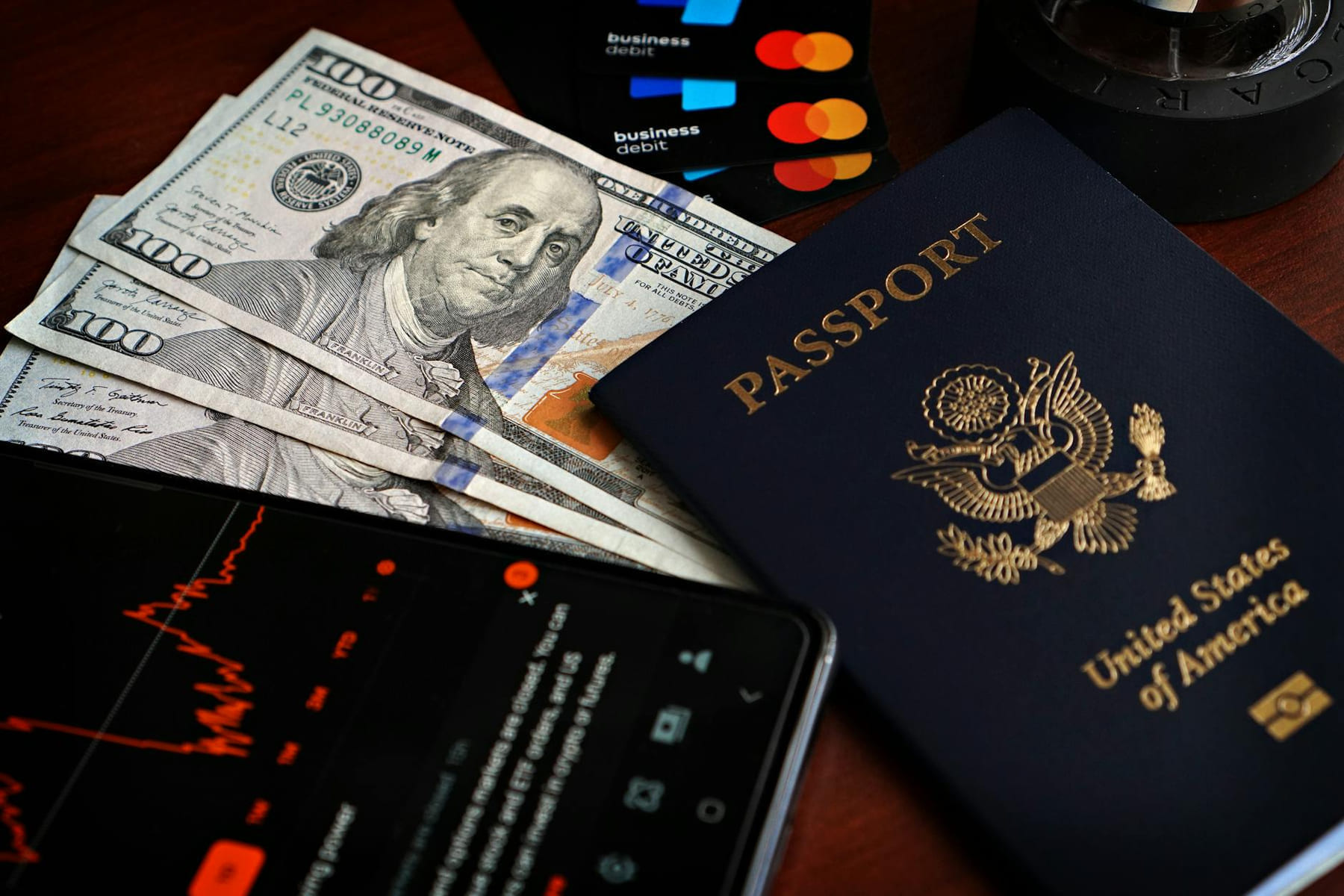
Business Cards & Travel Rewards
I know what you might be thinking: “Isn’t this just encouraging overspending?” And that’s a valid concern! The key is to be mindful and intentional with your.